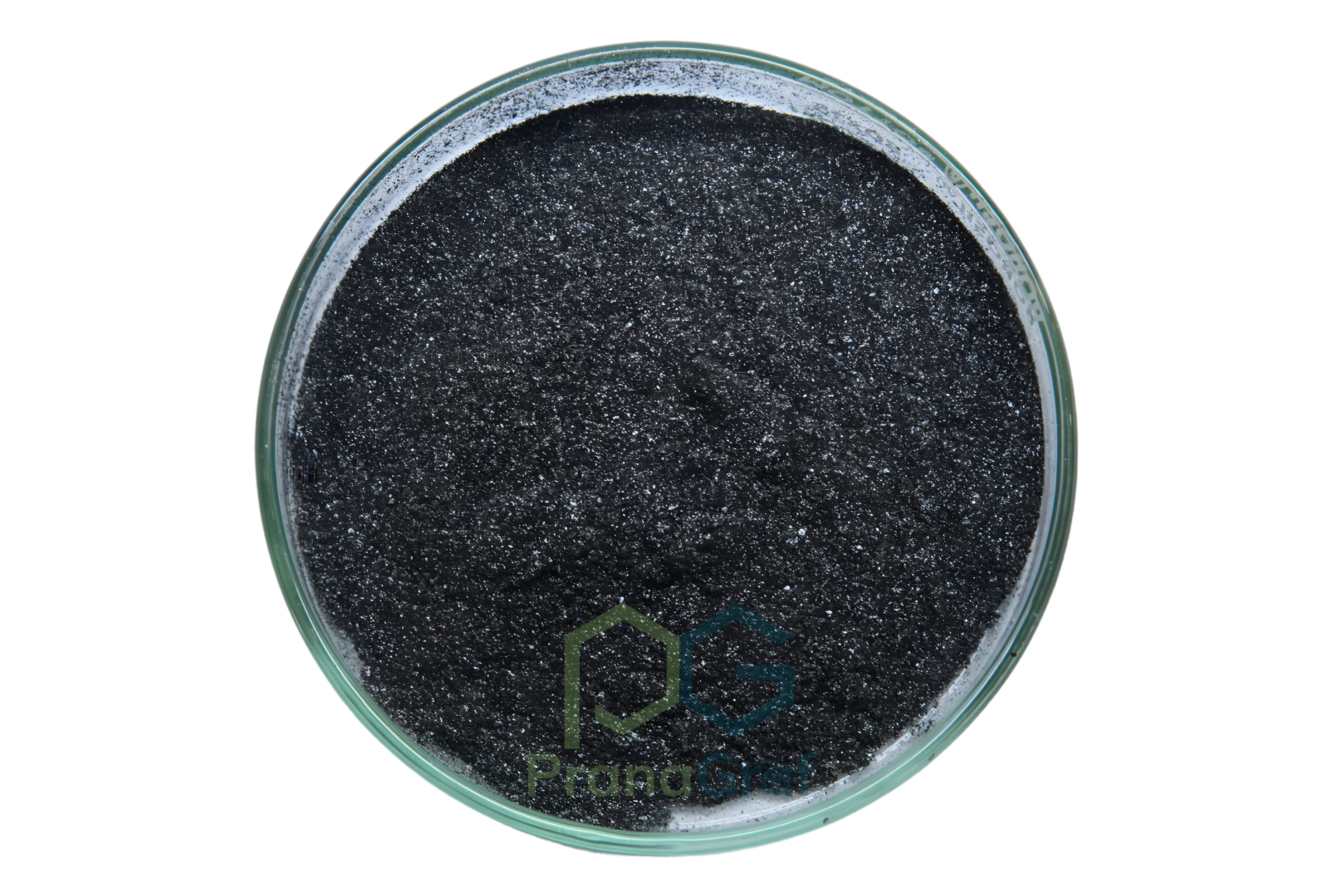
Graphite is an allotrope of carbon characterized by a planar structure of hexagonally arranged atoms. It exists in two main forms: natural graphite, mined from deposits across the globe, and synthetic graphite, manufactured through high-temperature treatment of carbon-rich materials. Natural & Synthetic graphite are mostly used in different applications due to the differentiated crystal structure.
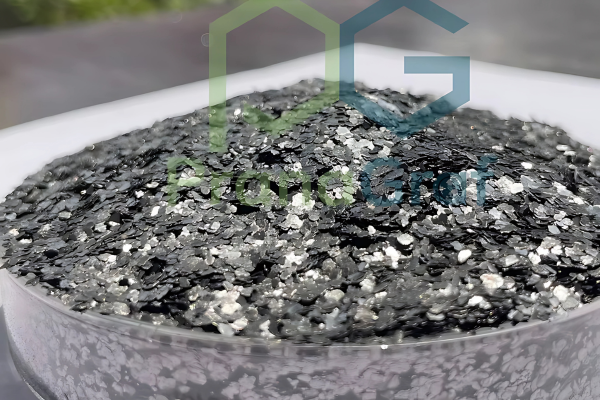
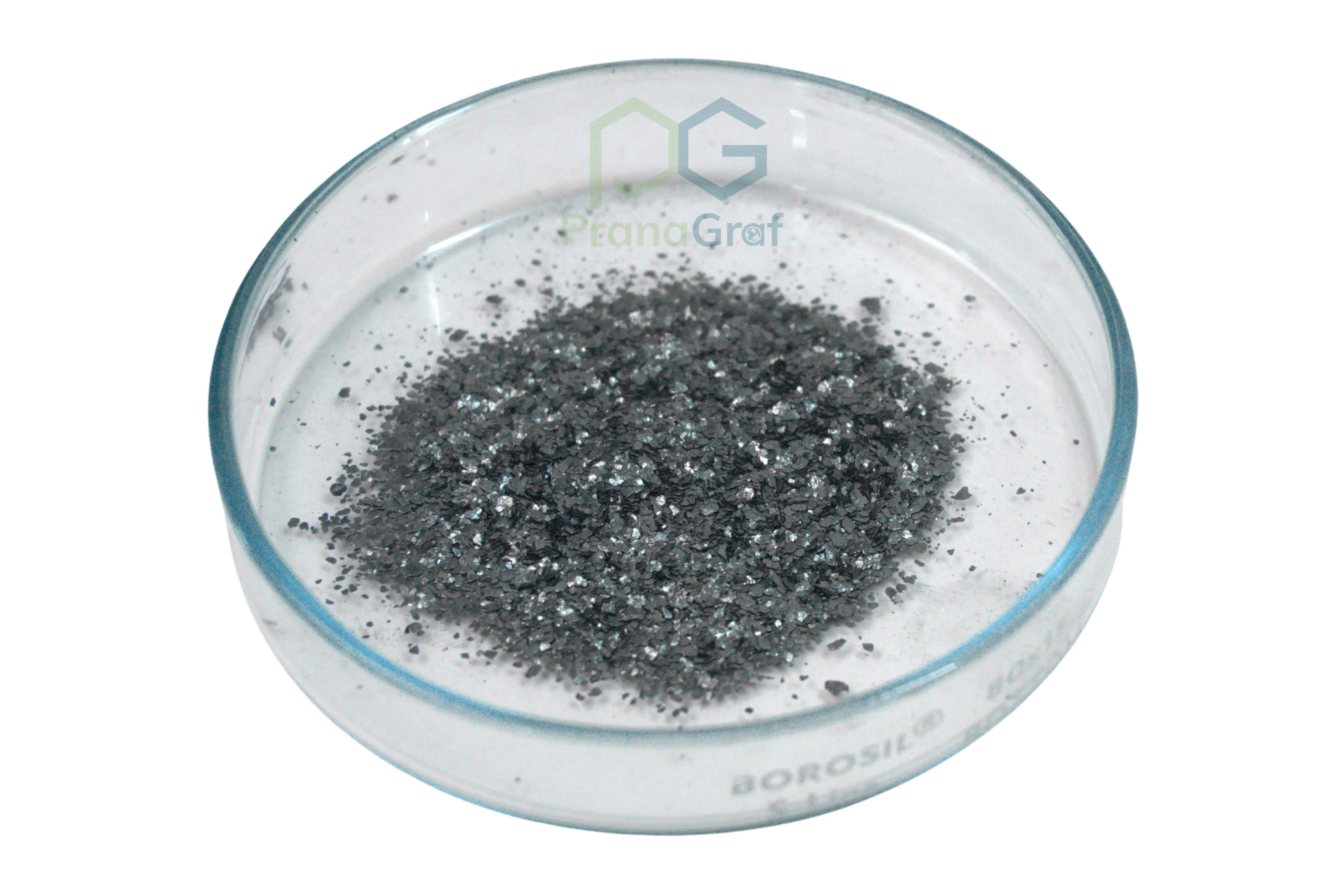
Natural Graphite with a Flaky microstructure is the most commonly used of Natural Graphite, across 150+ applications. A single flake has millions of layers of these planer hexagonal sheets, giving this classified critical mineral a set of unique properties:
Natural Flake Graphite is a classified Critical Mineral and is essential for National Security.
| Characteristic | Synthetic Graphite | Natural Graphite |
|---|---|---|
| Source | Manufactured using petroleum coke / tar, extracted from oil well | Mined from natural deposits |
| Production Process | High-temperature treatment (up to 3000°C) of carbon precursors | Mining, crushing, flotation, purification |
| Purity | Available from 97%+ | Available from 80 - 99.95% |
| Crystal Structure | More ordered, consistent crystal structure | More disordered, varying crystal sizes |
| Cost | Very High | Comparatively Low |
| Environmental Impact | Very high emissions and energy intensive | Much lesser emissions for manufacturing |
| Applications | >90% used in Electric-Arc furnace electrodes and Li-ion batteries | 150+ applications like refractories, foundry chemicals, flame retardancy, thermal management, fuel cells, Li-ion batteries etc |
| Use in Li-ion Batteries | Used for power and other performance benefits, higher %wt in EVs | Used for cost and life cycle benefits, higher %wt in BESS |
Synthetic & Natural Graphite have different dynamics and very few overlaps of applications. In Li-ion Batteries the two are used in blends with ratios of Natural:Synthetic 30:70 to 60:40
Discover the primary applications of graphite in modern industry
Mined directly from natural deposits, used across 150+ industrial applications including refractories, lubricants, and foundries.
Learn More →
Expands up to 300 times when exposed to heat, making it ideal for fire retardants, gaskets, seals, and thermal insulation.
Learn More →
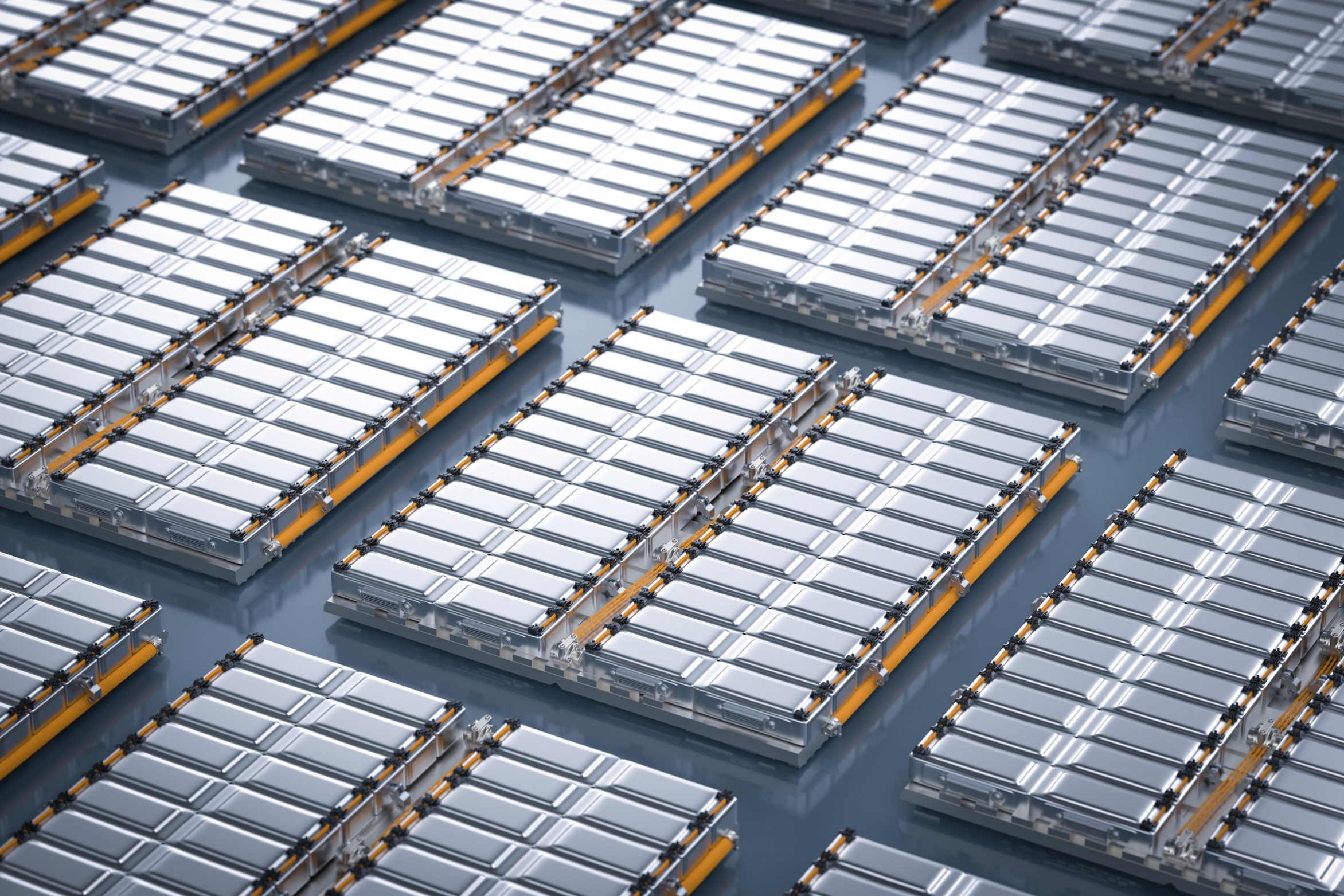
Primary anode material for lithium-ion batteries in electric vehicles, consumer electronics, and energy storage systems.
Learn More →One of the fastest-growing applications of graphite is in lithium-ion batteries. As the preferred anode material, Li-ion battery graphite accounts for over 90% of the anode composition.
The performance, longevity, and safety of EV and ESS batteries largely depend on the purity, morphology, and stability of the graphite used.
Typically made of lithium cobalt oxide, lithium iron phosphate, or similar compounds
Graphite stores lithium ions during charging and releases them during discharge
Lithium salt in an organic solvent that facilitates ion movement
Porous membrane that prevents short circuits while allowing ion flow
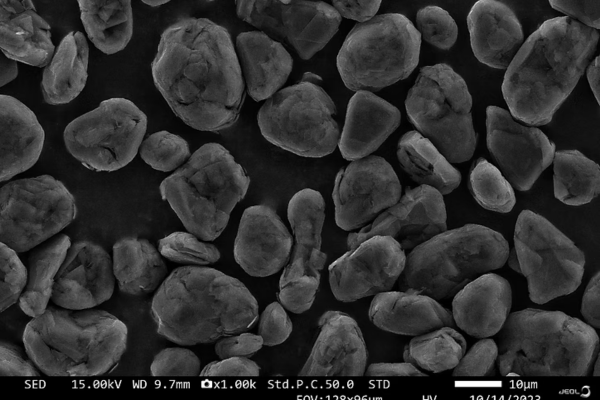
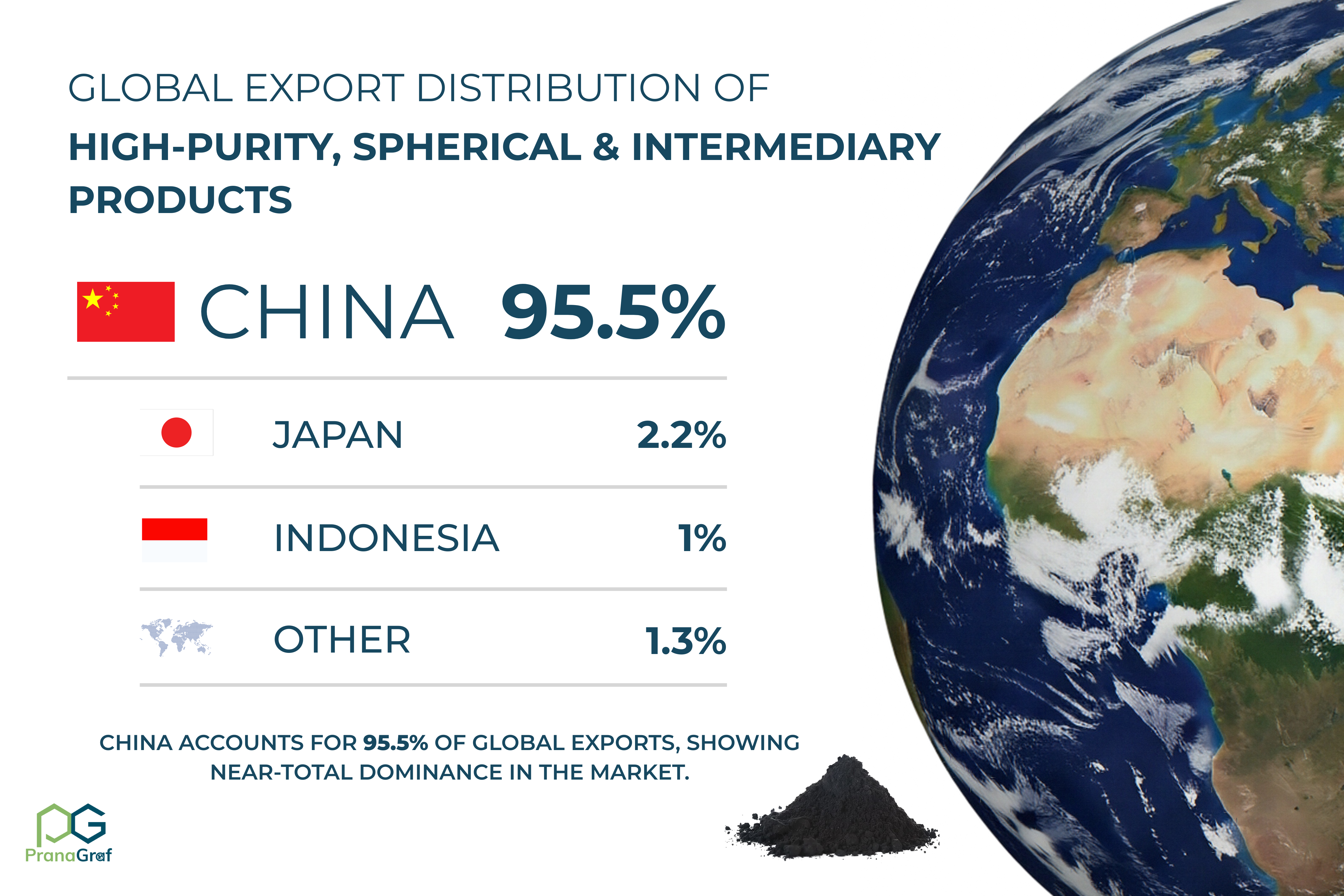
Today, there's a growing demand for spherical graphite—a processed form of natural flake graphite—for its superior packing density and performance. Additionally, the industry is shifting toward HF-free anode materials to ensure cleaner and more sustainable production processes.
Natural Flake Graphite is classified as a critical mineral by major economies including India, USA, EU, UK, and Canada. It is designated as a subject of National Security by the USA.
A niche mineral with applications across conventional and transition industries. Processed into specialty chemicals including:
Micronised Graphite
Expandable Graphite
Graphite Foils
Anode Material
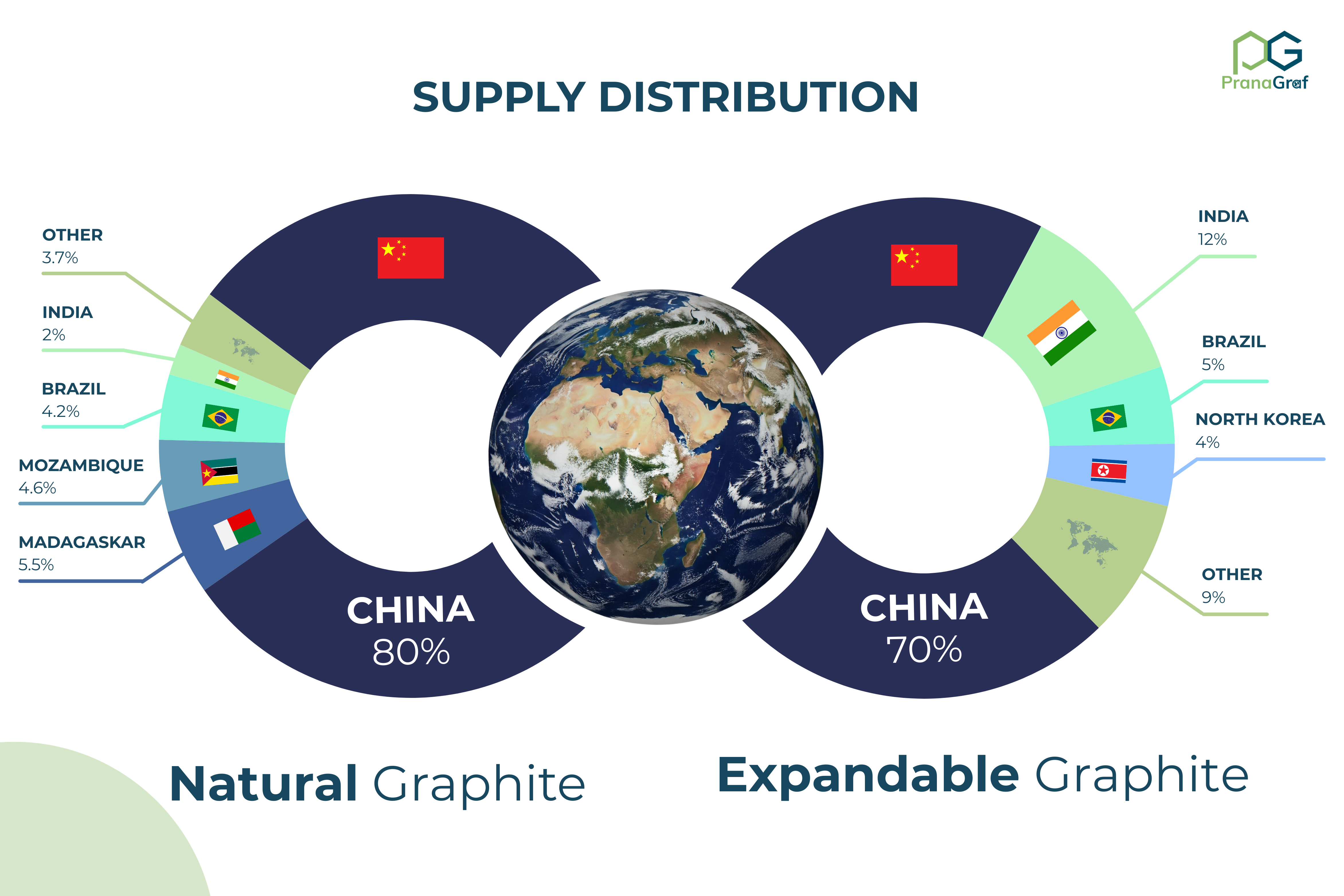
Source: USGS - Mineral Commodity Summaries 2024
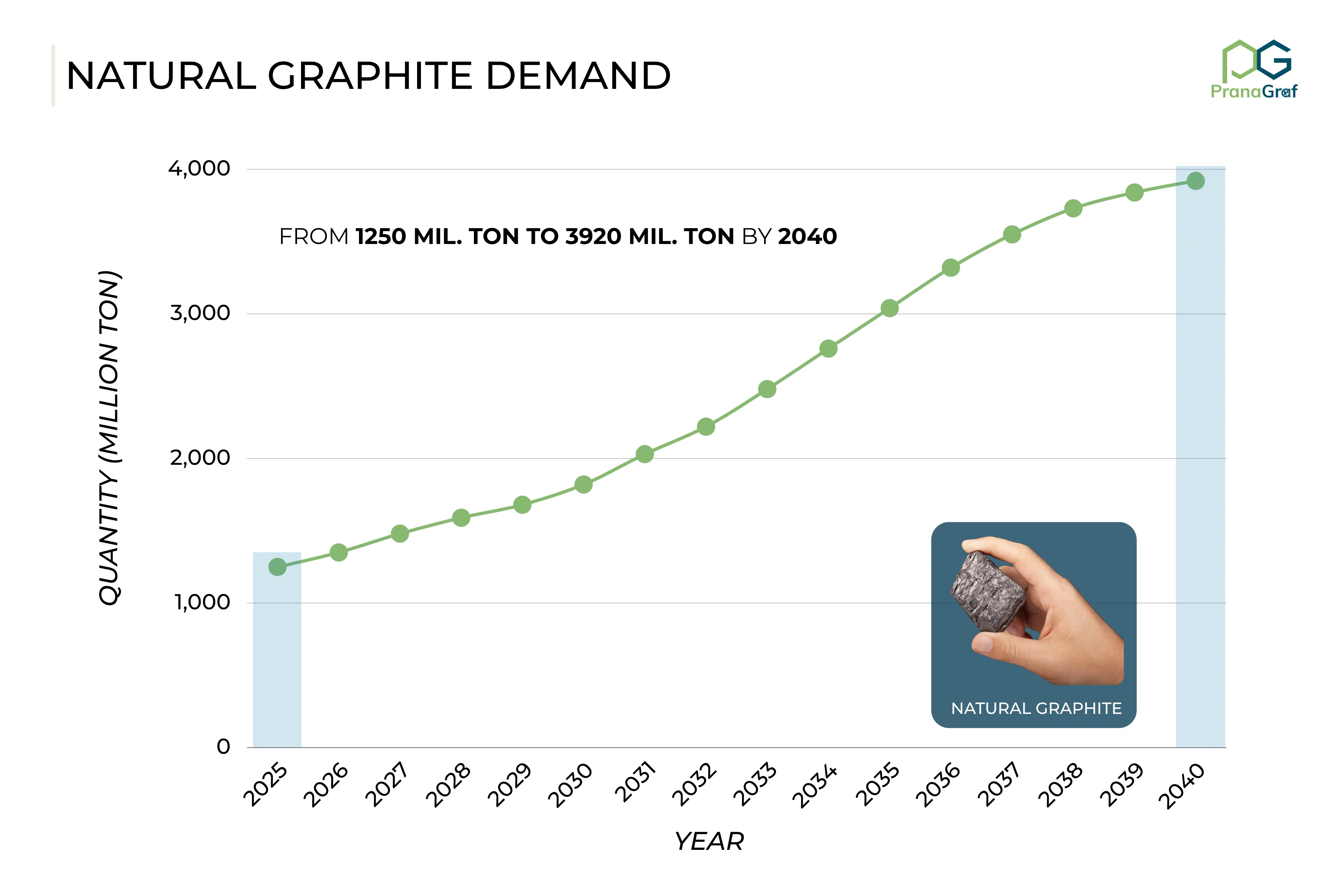
Source: Benchmark Minerals Intelligence Q3 2025, Flake Graphite Forecast
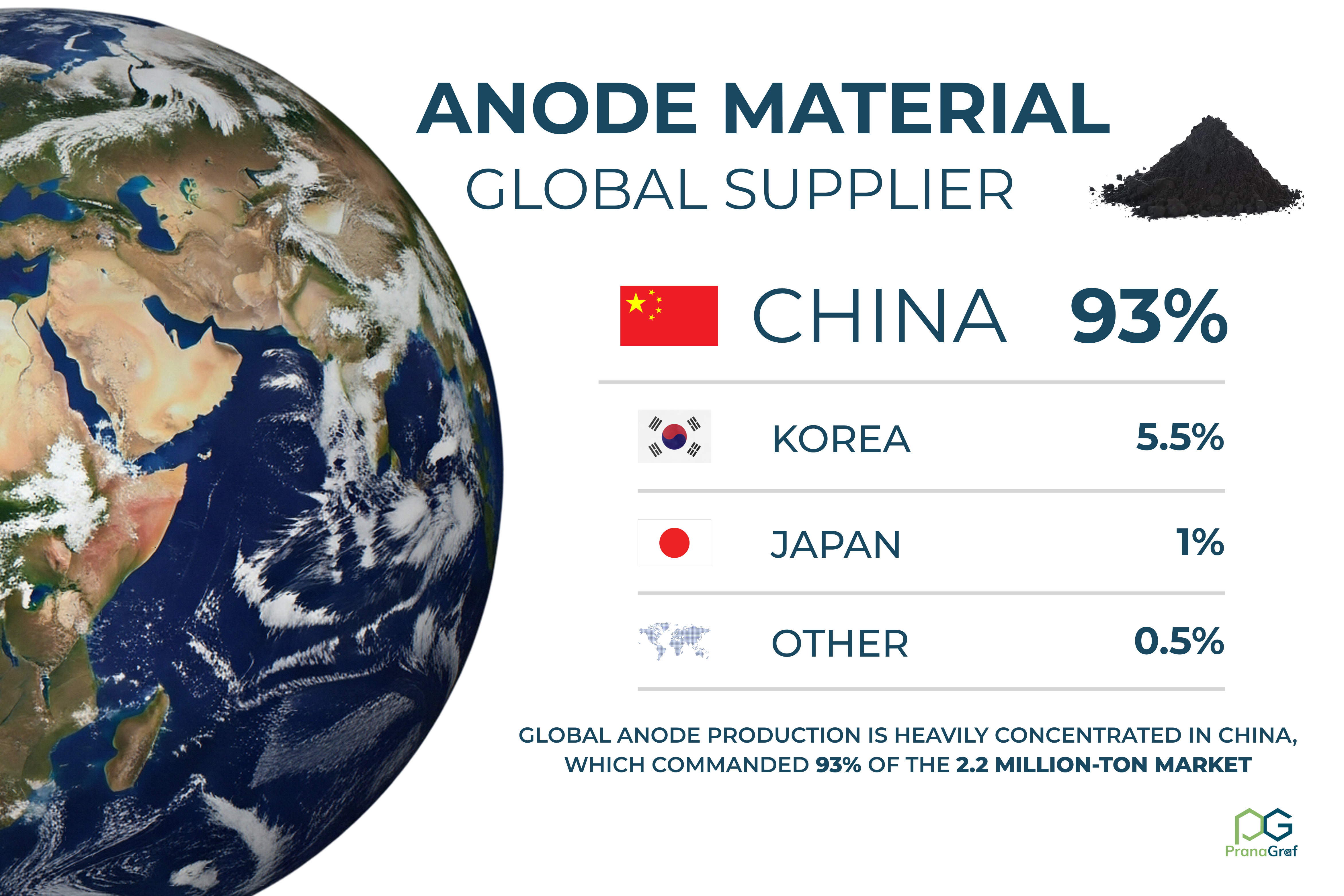
Source: IEA, The global midstream and downstream battery supply chain 2024
Every successful material solution begins with understanding your specific requirements. Tell us about your application, performance needs, and technical specifications.
Our technical team will review your inquiry and provide tailored recommendations within 24 hours.